Nurturing Ikhlas (Sincerity) During Itikaf
🤲Itikaf is often considered the peak of spiritual devotion in Ramadan. You are physically removed from the distractions of the world, residing in the house of Allah, surrounded by others dedicated to the same goal. It is precisely this intense, communal environment that makes the spiritual battle to maintain Ikhlas (sincerity, or purity of intention) so crucial—and so difficult.
Ikhlas means performing every act solely for the sake of Allah, seeking only His pleasure, and guarding against the insidious disease of Riya (showing off).
1. Recognize the Two Tests of the Shaytan
During Itikaf, the Shaytan approaches the believer with two main temptations:
A. The Test of Comparison (Riya)
The first test is the temptation to notice others. “Look at the person next to me, they are only reading one page, while I have finished three sections.” Or, “I am praying Qiyam (night prayer) until 3 AM while others are sleeping.”
The Cure: When the thought of self-admiration (Ujb) or comparison arises, immediately turn your focus inward. Remember the hadith: “Actions are but by intentions.” Your prayer is a transaction between you and your Creator. You are not competing for human applause; you are competing for Paradise. Every time you catch yourself glancing at the person next to you, whisper Astaghfirullah and renew your intention, reminding your heart: “This is for Allah, and only Allah.”
B. The Test of Pride (Ujb)
The second test hits after a successful day or night of intense worship. You might feel a sense of superiority or spiritual arrogance—that you are “better” or “more pious” than those outside the mosque or even those sleeping beside you.
The Cure: Humility is the antidote. Reflect deeply on the phrase: “La hawla wa la quwwata illa billah” (There is no power nor might except with Allah). Your ability to stand in prayer, to fast, and to remain in Itikaf is a sheer act of Divine Mercy. If Allah had not granted you the strength, the time, and the desire, you would be unable to do anything. Attribute every good deed to Allah’s grace, not your own strength. The moment you credit yourself, the reward begins to dwindle.
2. Embrace the Spiritual “Hiddenness”
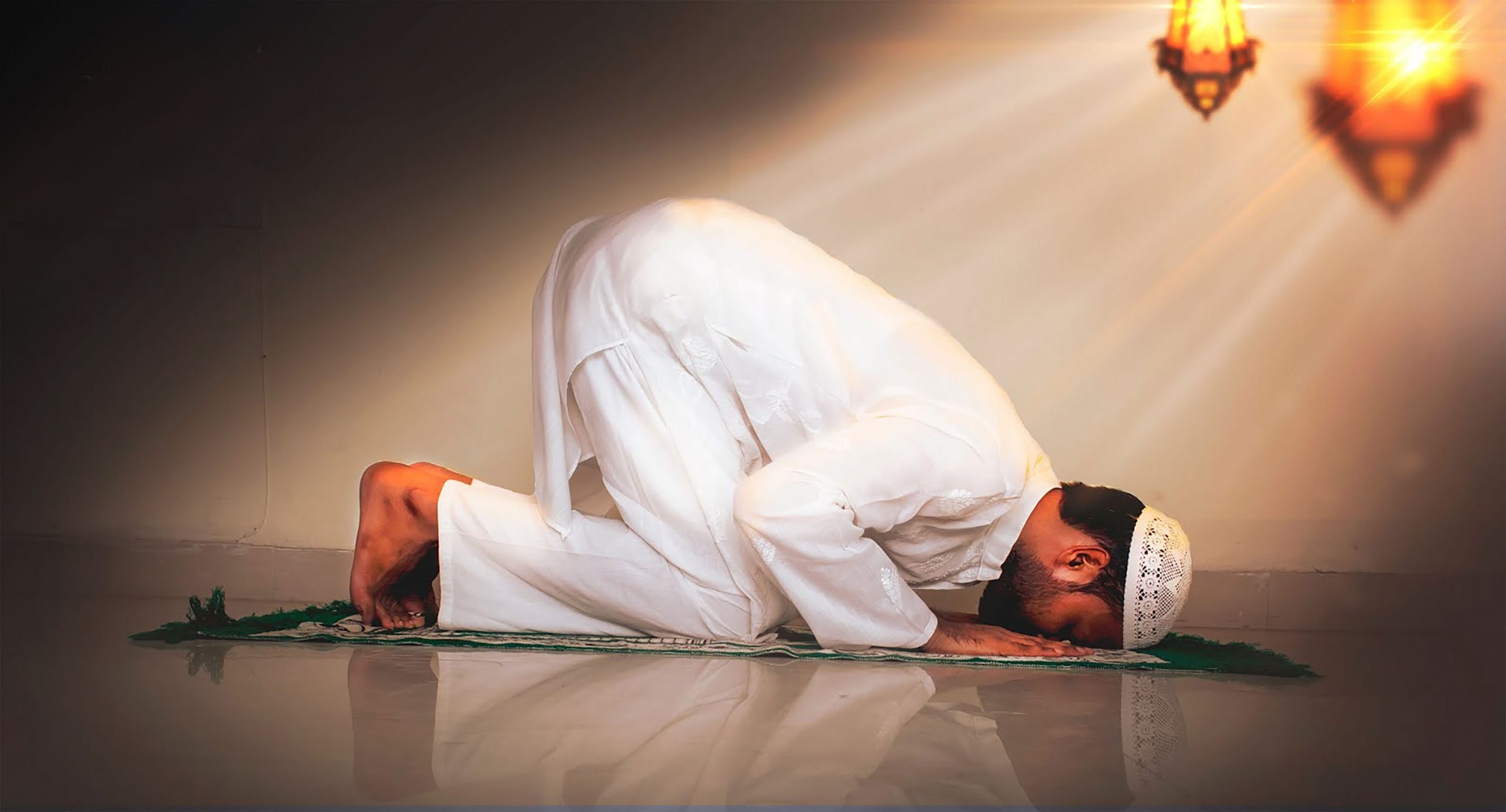
One of the great secrets of Itikaf is that much of your worship is, by its nature, hidden. You can make silent Dhikr (remembrance), weep softly in Sajdah (prostration), and read the Quran in the late hours when the lights are dim.
Your Practice: Intensify the acts that only Allah sees. Instead of reading the Quran aloud when others are around, read silently in your heart. When you pray Nafl (voluntary) prayers, ensure your Sajdahs are long, even if they are unobserved. Let your greatest, most sincere efforts be those that are entirely unseen by human eyes. This practice burns away the desire for validation.
3. The Perspective of Need
Approach Itikaf not as a creditor who is “giving” Allah something, but as a beggar who is desperately “needing” His forgiveness and acceptance.
You are not doing Allah a favor by spending ten days in the mosque; you are seizing the greatest opportunity of your life to secure your own salvation. This perspective of humility and absolute dependency naturally shuts down pride and self-importance.
Final Reflection: Ikhlas is the spirit of the deed, and without it, the body of the deed is merely an empty shell. Let your time in Itikaf be a training camp where you prioritize the spiritual health of your heart above all else. Seek the face of Allah alone, and by His immense Mercy, you will attain the reward of Hajj and the blessings of Laylatul Qadr.