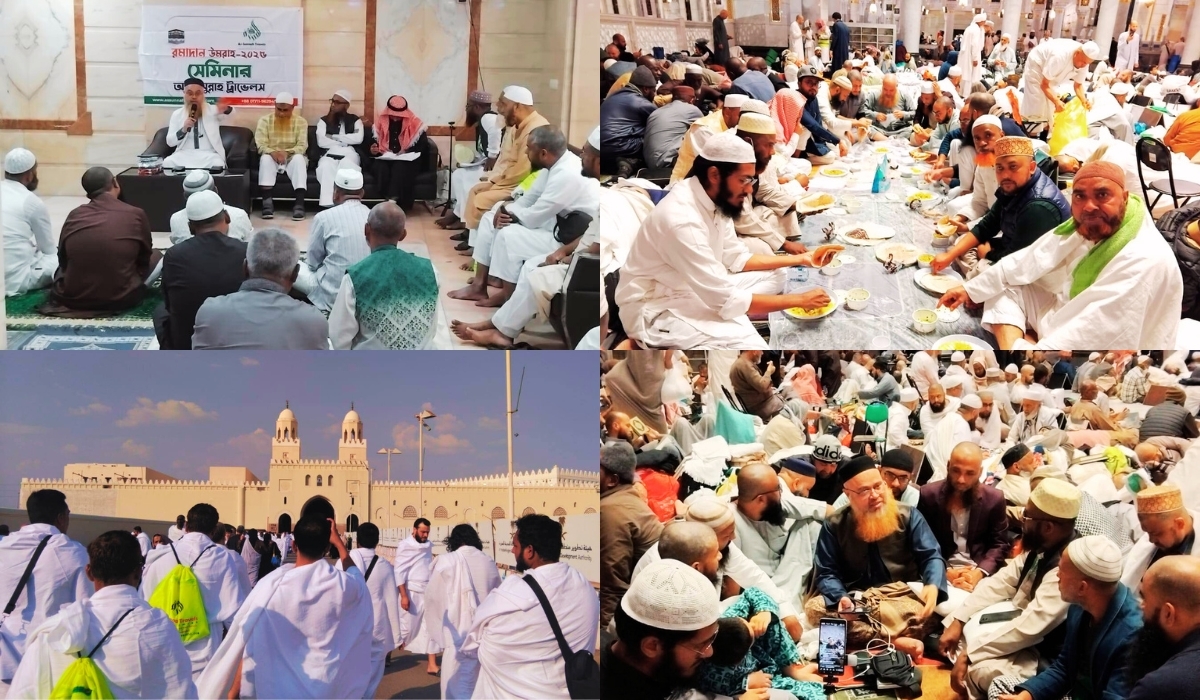
The Ultimate Spiritual Journey: Combining Umrah and Itikaf in Ramadan
🌙Ramadan serves as a season of spiritual renewal, a time when Allah throws open the gates of heaven and multiplies the rewards for good deeds. Within this blessed month, two specific acts of worship stand out for their ability to cleanse the soul: Umrah (the minor pilgrimage) and Itikaf (spiritual seclusion).
When a believer combines these two within the sacred precincts of Makkah or Madinah, they undertake perhaps the most intense spiritual experience outside of Hajj itself.
1. Umrah in Ramadan: A Hajj in Reward
Performing Umrah at any time cleanses sins, but performing it during Ramadan carries immense weight. The Prophet Muhammad (PBUH) said: “Umrah in Ramadan is equal to Hajj” (or in another narration, “equal to Hajj with me”). This reward does not lift the formal obligation of Hajj; rather, it grants the believer an equivalent spiritual merit.
The Unique Atmosphere
The Ramadan Umrah experience feels distinct:
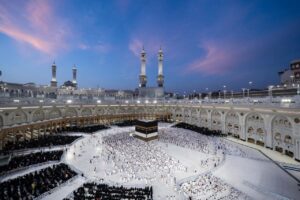
- The Energy: Al-Masjid al-Haram remains alive 24/7. The roar of “Ameen” during Taraweeh prayers echoes throughout the city.
- The Brotherhood: You stand shoulder-to-shoulder with millions of Muslims. You fast together and break bread on the Mataf floor.
- The Challenge: Heat and immense crowds demand high levels of Sabr (patience).
2. Itikaf: The Sacred Seclusion
In Itikaf, a believer stays within a mosque for a set number of days, devoting every moment to worship and disconnecting from worldly affairs. It offers the most effective way to “reset” the heart.
The Significance of the Last Ten Nights
While one can perform Itikaf at any time, the Sunnah (practice of the Prophet) emphasizes the last ten days of Ramadan.
- Seeking Laylatul Qadr: Believers aim to catch the “Night of Decree,” which surpasses a thousand months of worship. By staying in constant worship, you ensure you do not miss this pivotal night.
- Detoxification: This practice provides a digital and social detox. It forces you to confront your thoughts, repent for mistakes, and plan a better future.
3. The Convergence: Itikaf in the Two Holy Mosques
Performing Itikaf in Al-Masjid Al-Haram (Makkah) or Al-Masjid An-Nabawi (Madinah) represents the pinnacle of this worship.
The Experience
- In Makkah: You live in the presence of the Kaaba. You can perform Tawaf at 3:00 AM, drink Zamzam freely, and pray behind world-renowned Imams.
- In Madinah: The atmosphere feels more serene. You stay near the Rawdah of the Prophet (PBUH).
Logistical Realities
Unlike a local mosque, the Haram requires navigating strict rules:
- Registration: Both mosques now require official registration via apps like Nusuk. Spots fill up instantly.
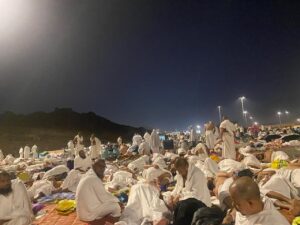
- Sleeping: Authorities assign you a designated section or locker. You sleep on the carpet in close quarters with others.
- Hygiene: Prepare for long queues at the bathroom facilities.
4. Practical Guide for Success
If you plan this journey, follow this survival guide to balance the spiritual with the physical.
Pro-Tip on Iftar: Do not overeat. The time between Maghrib and Taraweeh is short. A heavy stomach makes standing in prayer difficult.
Combining Umrah and Itikaf is a journey of endurance and love. It strips away worldly comforts and replaces them with the sweetness of Iman (faith). While the sleep is minimal and the crowds are dense, the feeling of standing before the Kaaba transforms the human heart forever.